Kilim Rugs for Sale – Rug Master Rug Shop, San Francisco

Looking for authentic Kilim rugs near me? Visit Rug Master, your trusted rug shop and rug store in San Francisco, located at 1890 Market Street. We offer a wide selection of Kilim rugs in both traditional and modern styles — available in-store and online.

Kilim rugs are flatwoven, lightweight, and known for their bold geometric designs and rich history. They’re perfect for layering in living rooms, hanging as wall art, or adding a unique touch to kitchens and hallways. Because Kilims are durable yet decorative, they’re ideal for any home.

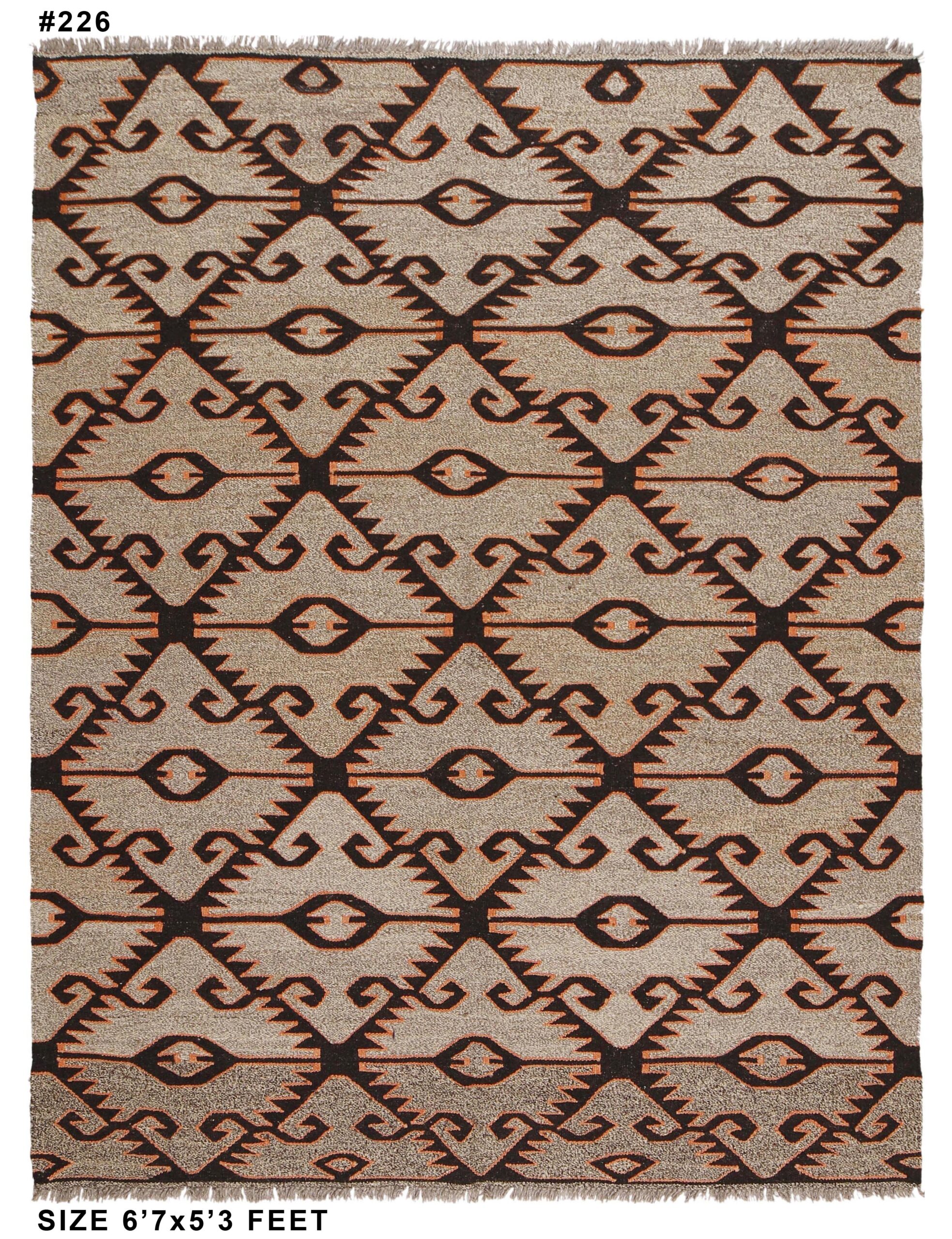
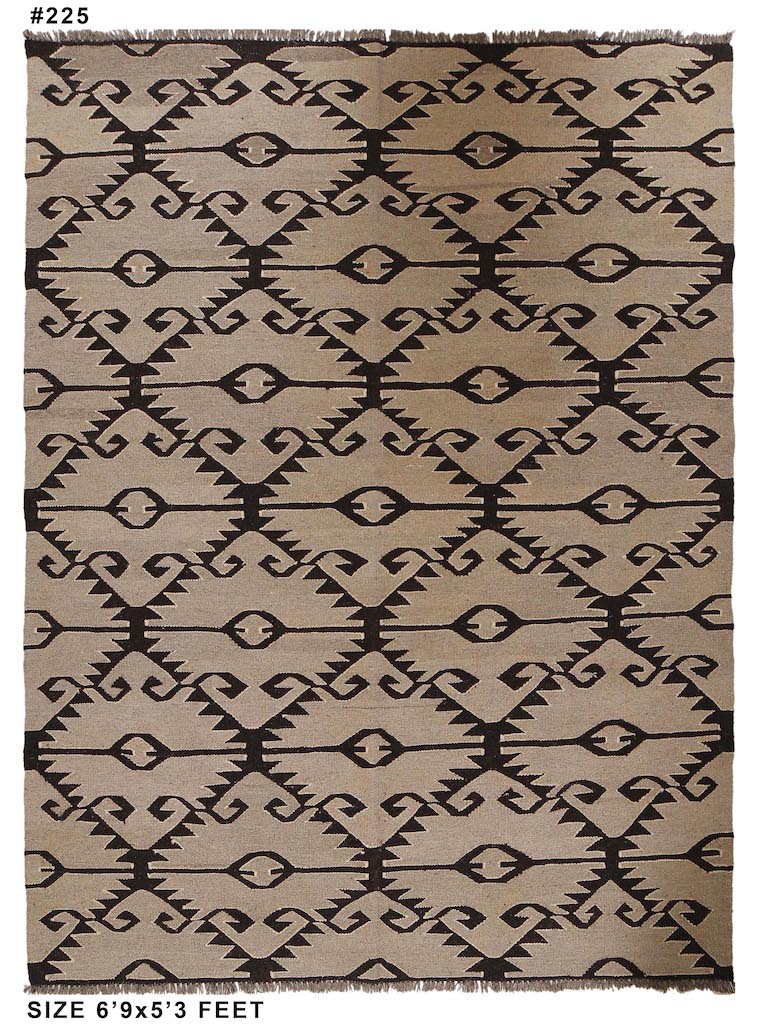
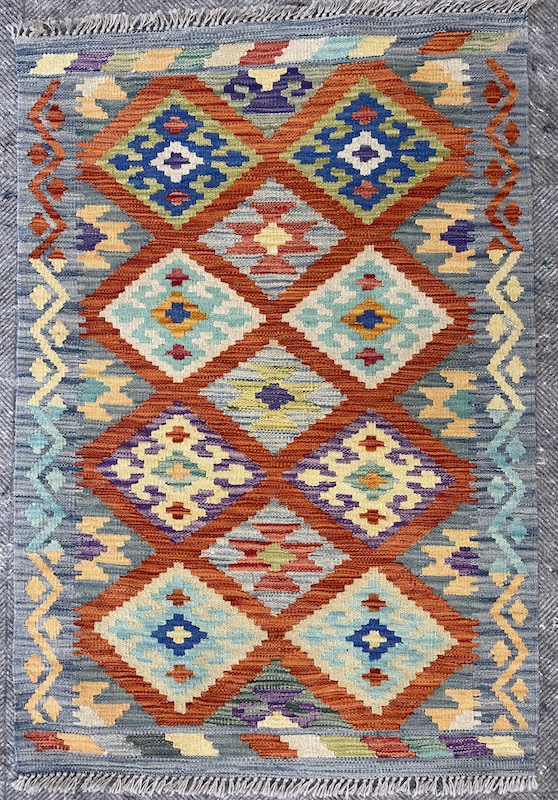
At Rug Master, we carry Persian, Turkish, Afghan, and Indian Kilim rugs, all hand-selected for quality and design. Choose from vintage tribal Kilims, antique heirloom pieces, or contemporary flatweaves to match your modern décor. Our Kilim rugs are available in various sizes and colors — perfect for any room or style.

We offer Kilims made from pure wool, wool and silk blends, and even 100% silk for added elegance. Need something low-maintenance? Try a washable Kilim rug. For example, a washable Kilim works great in kitchens or entryways where dirt and spills happen often.

You can shop in person at our San Francisco rug store or browse online from the comfort of your home. And with our try-before-you-buy option, you can take a rug home to make sure it fits your space before purchasing.

So if you’re searching for a Kilim rug near me, come to Rug Master at 1890 Market St, San Francisco. Visit our rug shop or explore online to find your perfect piece.

vintage rug shop at 1890 market st san francisco oriental rug gallery


The Art of the Flatweave: What You Need to Know About Kilim Rugs

Kilims are one of the world’s most recognizable and beloved textile traditions. Their beauty lies in their simplicity, their bold geometric patterns, and their authentic, handmade character. Here are the answers to the most common questions about these remarkable flatweaves.

1. What exactly is a Kilim?

A Kilim is a type of flatweave rug, meaning it has no pile. Unlike a hand-knotted rug where fibers are tied to a foundation, a Kilim’s design is created by weaving different colored weft threads back and forth through the vertical warp threads. This technique produces a textile that is thin, light, and identical on both sides. The word “Kilim” is of Turkish origin and is used to describe these pileless rugs from Turkey, the Balkans, the Caucasus, Iran, and Central Asia.

2. What makes Kilim patterns so distinctive?

Kilim designs are characterized by bold, sharp, geometric patterns. Because of the flat-weaving technique, weavers are naturally inclined to create straight lines and angular shapes. Common motifs are symbolic and have been passed down through generations, often representing themes of fertility, protection, and family. You will frequently see strong diagonal lines, diamonds, zig-zags, and symbolic animal or human figures.

3. What is a “slit-weave” and why is it important?

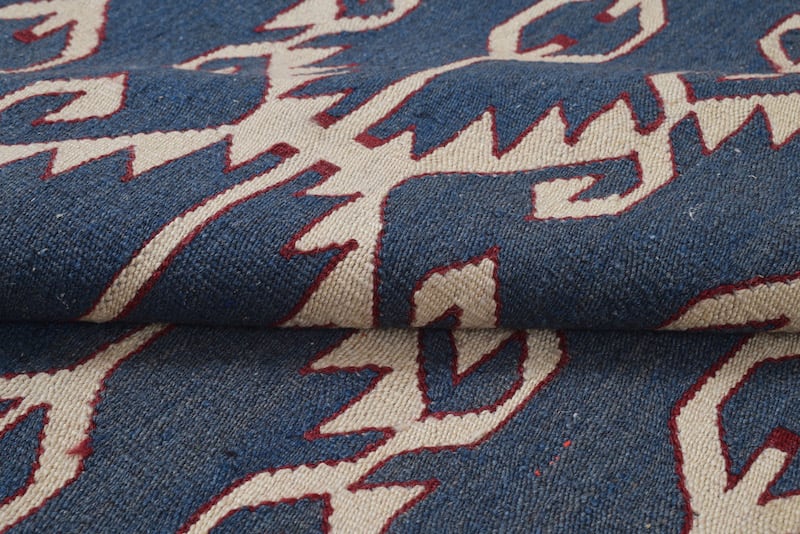
The slit-weave is the defining characteristic of Kilim construction. When a weaver changes from one color to another in the design, they turn the weft thread back on itself, creating a small, vertical gap or “slit” in the fabric. These slits outline the different color blocks and contribute to the sharp, graphic quality of the design. This is the primary reason why Kilims have such crisp, geometric patterns.

4. What materials are Kilims made from?

The vast majority of authentic Kilims are made from wool. The warp threads (the foundation) are almost always wool, and the weft threads (the colored design) are also typically wool. Sometimes, cotton is used for white details in the pattern. In some regions, you might find Kilims that incorporate goat hair or silk, but wool is the quintessential material, prized for its durability and the richness of color it can hold from natural dyes.

5. Are Kilims durable?

Yes, but in a different way than a plush, pile rug. A well-made wool Kilim is incredibly resilient and long-lasting. They have been used for centuries as floor coverings, tent walls, and prayer rugs in nomadic communities. Because they are thin, they are not “cushy,” but they are tough. Their durability makes them suitable for many areas, but they may show wear faster than a thick pile rug in extremely high-traffic zones.

6. Where is the best place to use a Kilim rug?

Their lightweight and low-profile nature makes them exceptionally versatile.
  • Living and Dining Rooms: They are perfect for adding a layer of color and pattern. They work well under dining tables as chairs can slide easily over their flat surface.
  • Layering: Kilims are ideal for layering over larger, neutral rugs like jute or sisal to add a pop of color and a designer touch.
  • Wall Hangings: Because of their graphic beauty and light weight, Kilims make stunning wall tapestries.
  • Bedrooms and Offices: They add a dose of style without overwhelming the space.

7. How do I care for a Kilim rug?

Proper care will keep your Kilim looking beautiful for years.
  • Rug Pad: A rug pad is essential. It prevents slipping (a major safety issue with thin rugs), provides a slight cushion, and protects the delicate woven fibers from grinding against the hard floor.
  • Vacuuming: Vacuum regularly with the suction-only attachment. Do not use a beater bar, as it can pull and damage the woven fibers.
  • Spills: Blot spills immediately. Because there is no pile for the liquid to sink into, you can often clean up spills effectively if you act fast.
  • Professional Cleaning: For a deep clean, always take it to a professional who specializes in cleaning flatweave rugs.

8. What is the difference between a Kilim and a Dhurrie?

They are very similar, as both are flatweave rugs, but they have a key geographical and technical difference. Kilims originate from Turkey, Persia, and surrounding regions and are typically made of wool using the slit-weave technique. Dhurries originate from India and are most often made of cotton (though wool and silk versions exist). They are woven with a different technique that does not produce the characteristic slits of a Kilim, resulting in a slightly different texture.