

hallway runner san francisco
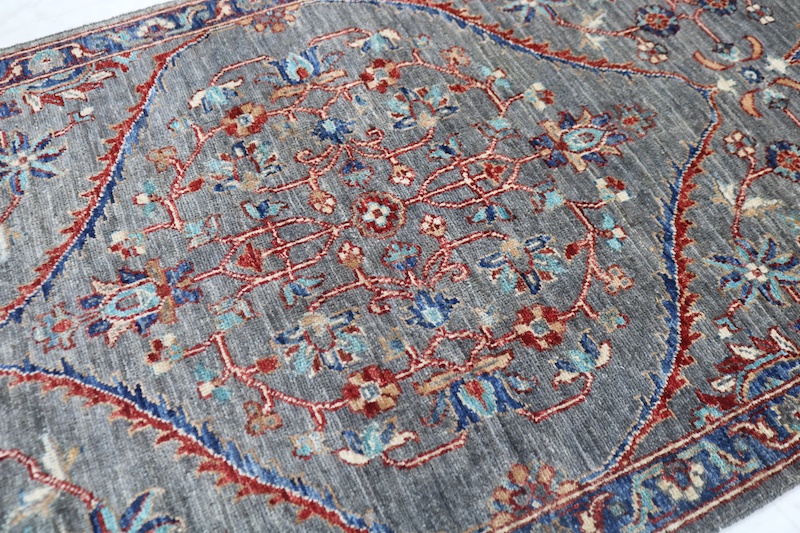
hand made runner rug san francisco

kitchen runner rug san francisco

long hallway runner rug san francisco
✅ Hallway Runner Rugs – Rug Master, San Francisco
Add warmth and personality to any hallway or kitchen with a beautiful runner rug from Rug Master. We’re conveniently located at 1890
Market Street, San Francisco, and we’re proud to offer one of the largest selections in the Bay Area.
Whether you have a long hallway that needs a stylish touch or a small kitchen that needs color, we have the right runner for you. Our huge
collection includes Persian, Turkish, Afghan, and Indian runners. Choose from traditional, tribal, vintage, or modern styles to suit your taste.
We only carry high-quality materials. You’ll find pure wool runners, wool and silk blends, and luxurious silk runners that bring elegance
to any space. Need something easy to maintain? Try our washable runners, perfect for busy hallways and kitchens.
We also offer a range of vintage and antique runners if you love unique pieces with character. At Rug Master, we believe everyone should
feel confident in their purchase. That’s why you can try your rug at home before you buy it. See how it looks with your furniture and lighting.
Shopping with us is flexible. Visit our store at 1890 Market St to see and feel the rugs in person. Or, shop online anytime from the comfort of
your home. Either way, you’ll get friendly, expert help from our knowledgeable team.
So, whether you need a runner for your hallway, kitchen, or entryway, we’re here to help. Add color, comfort, and style to every step with a
beautiful hallway runner from Rug Master, San Francisco.
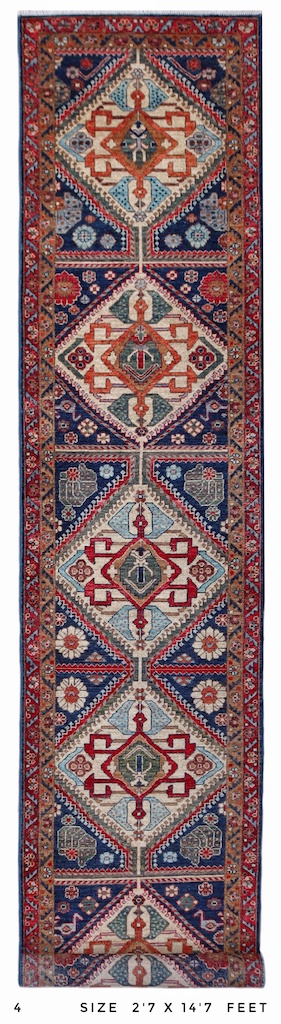
hallway runner san francisco
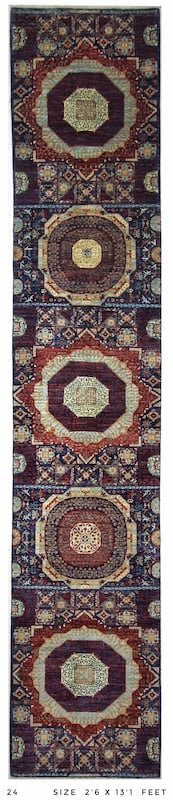
hallway runner long san francisco
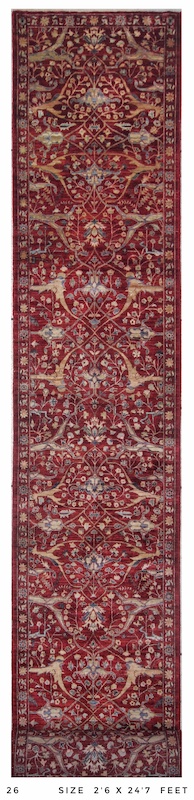
Handmade extra long hallway runner rug
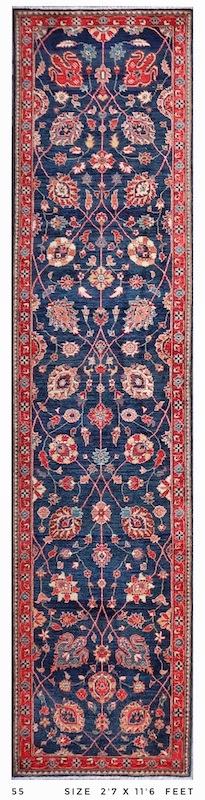
extra long hallway runner san francisco

Transform Your Hallway: A Runner Rug FAQ on Size, Style, and Durability
1. How do I choose the right size runner for my hallway?
- Length: Your runner should be long enough to cover the majority of the hallway’s length, but leave about 6 to 12 inches of bare floor exposed at both ends. This creates a more balanced, intentional look. Avoid a runner that is too short, as it will look lost.
- Width: The runner should be 4 to 6 inches narrower than your hallway on each side. You want to see a border of flooring around the rug. This prevents the hallway from feeling cramped and also showcases your floors. Never choose a runner that touches the walls.
2. What is the best material for a high-traffic hallway?
- Synthetics (Polypropylene, Nylon): These are the champions of durability. They are built to withstand heavy foot traffic, are highly resistant to stains and fading, and are very easy to clean, making them the most practical choice for a busy home.
- Wool: A fantastic natural option. Wool is incredibly resilient, has a natural ability to repel dirt, and its fibers bounce back well from crushing. A low-pile wool runner is a durable and high-quality investment.
- Jute/Sisal: While beautiful and textural, these natural fibers can be coarse and difficult to clean if they get stained. They are better for lower-traffic hallways.
3. How do I choose a color or pattern for a long, narrow space?
- To Make a Hallway Seem Wider: Choose a rug with horizontal stripes or a pattern that has a strong horizontal movement. Lighter colors like soft grays, blues, and beiges will also make the space feel more open.
- To Add Excitement: A bold, repeating pattern (like a geometric or traditional medallion design) can turn a boring hallway into a visual journey. Since it’s a transitional space, you can be more adventurous with color and pattern here than in a living room.
- To Hide Dirt: A multi-colored or complex pattern is your best friend in a high-traffic area, as it will be very forgiving and help camouflage dirt and minor stains between cleanings.